
Graphene Oxide by Electro-Kinematic Exfoliation of Graphite.
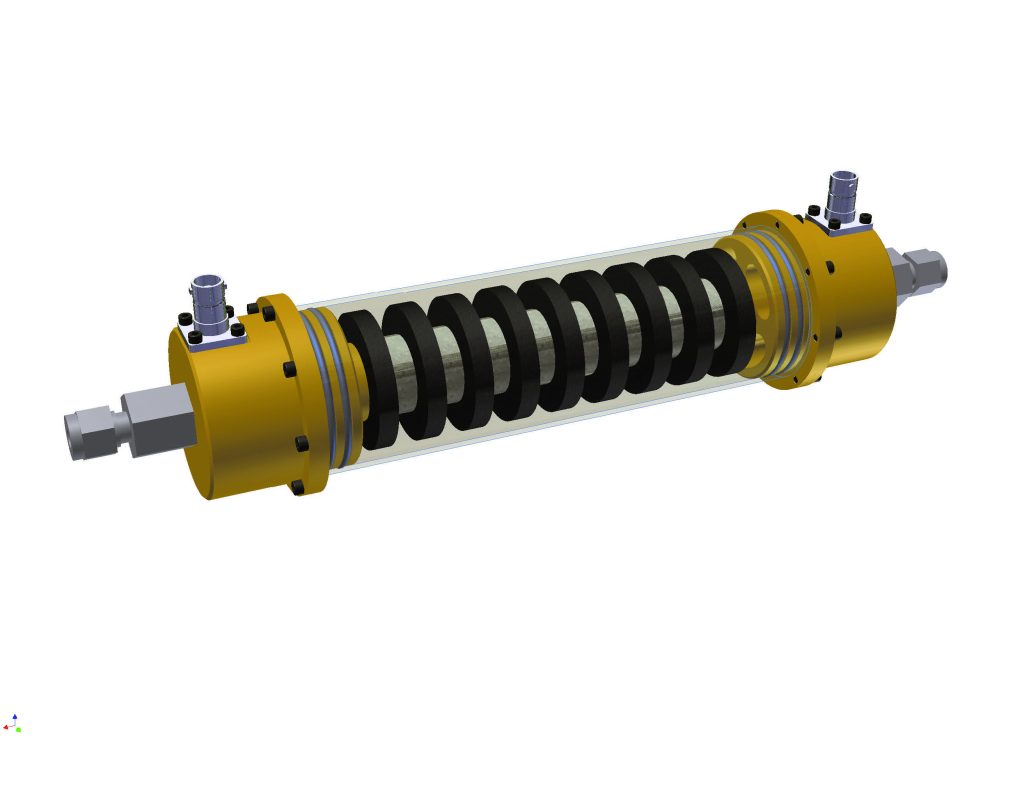
Intercalation and Exfoliation Method & Apparatus with Graphite Electrodes providing electro- kinetically driven graphite surfaces to exfoliate and spall off graphene which in turn oxidizes in water during water electrolysis. ( All Rights Reserved )
We are exploring using hemp biochar as the carbon source. In development is apparatus to “polymerize” graphene right at the point of exfoliation, oxidation and extraction into a thin thread in real time on demand.
It was discovered in a different prior lab experiment regarding destruction of PFAS in water, that the graphite electrode surfaces exfoliated over time and the carbon particulates decanted to the bottom of the vessel as an ultra-fine powder in the order of a few microns in diameter.
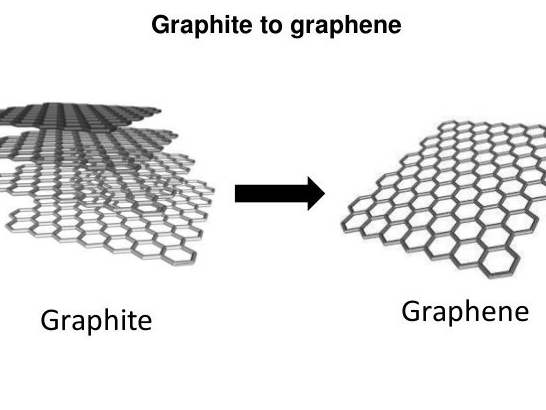
The electrolized water provides the oxygen to oxidize the graphite particles immediately as exfoliated off the electrically charged graphite surfaces.
Exploration is underway at UWO / ICFAR to quantify the physics in conjunction with our PFAS / PFOS research group where Graphene Oxide is a collateral by-product of PFAS destruction process.
The surplus Hydrogen can be collected and directed into a fuel cell to make electricity as a by-product with existing battery and inverter technology.
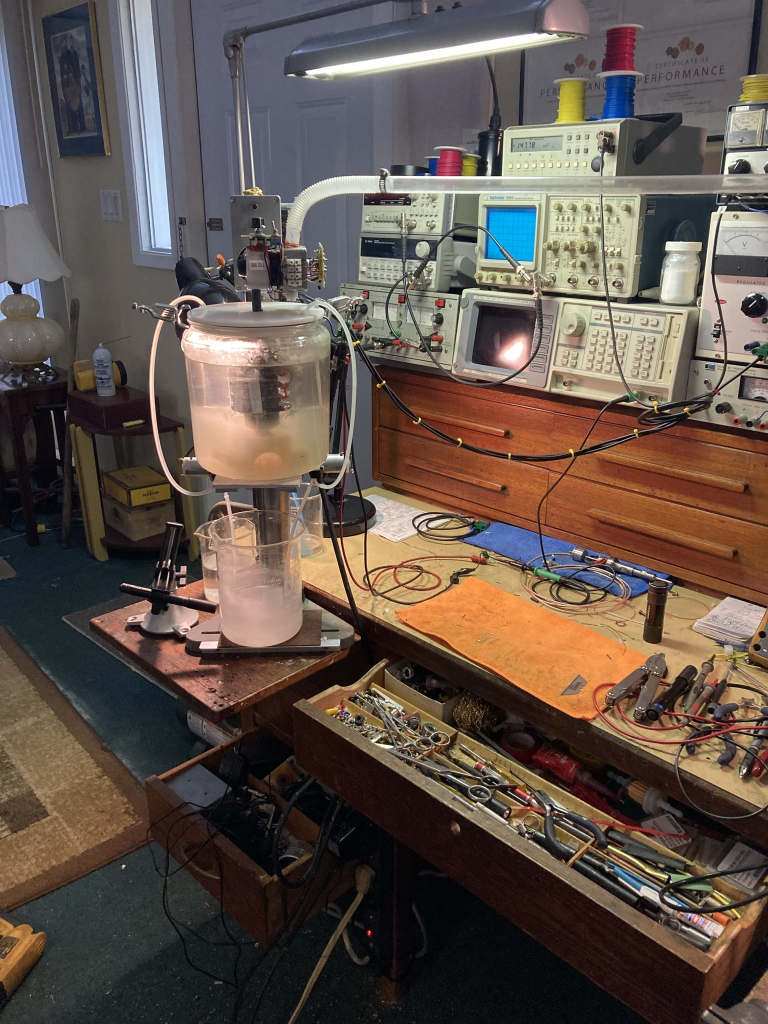
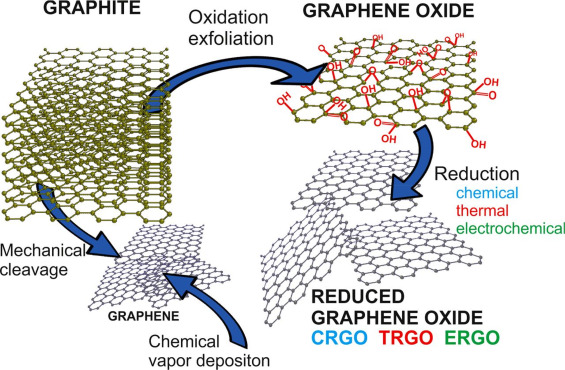
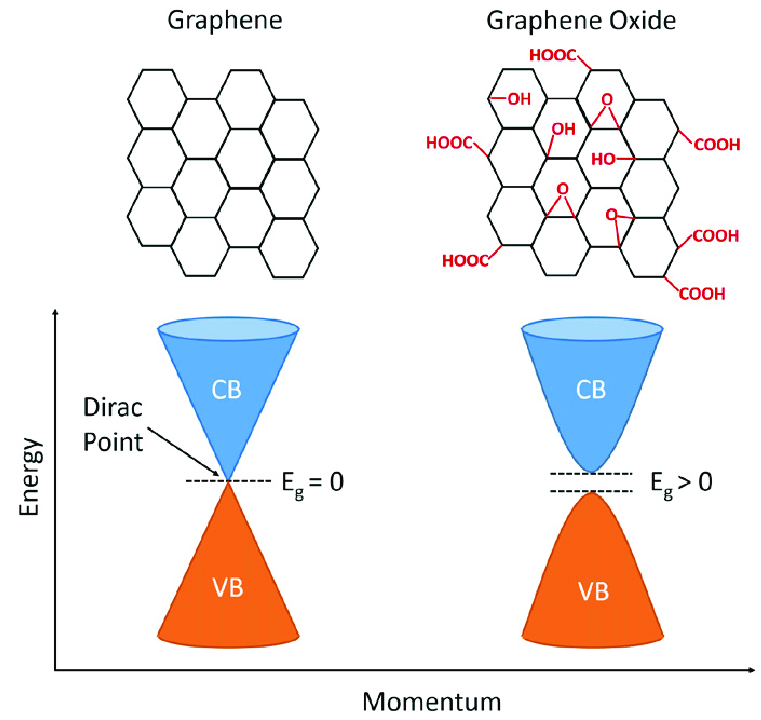
Graphene oxide is not electrucally conductive but can be “tailored” to any specific conductivity by reduction as shown by an ERGO process.
The Magneto-Kinetic version in the right video shows similar vigorous outgassing without PZT’s with solenoidal inductances wound between the graphite electrodes within a static magnetic field ultrasonically driven at 60 kHz. This method is provides a bandwidth of up to about 80.0 kHz. contingent to AC impedances This is made possible with the use of neodymium magnets.